
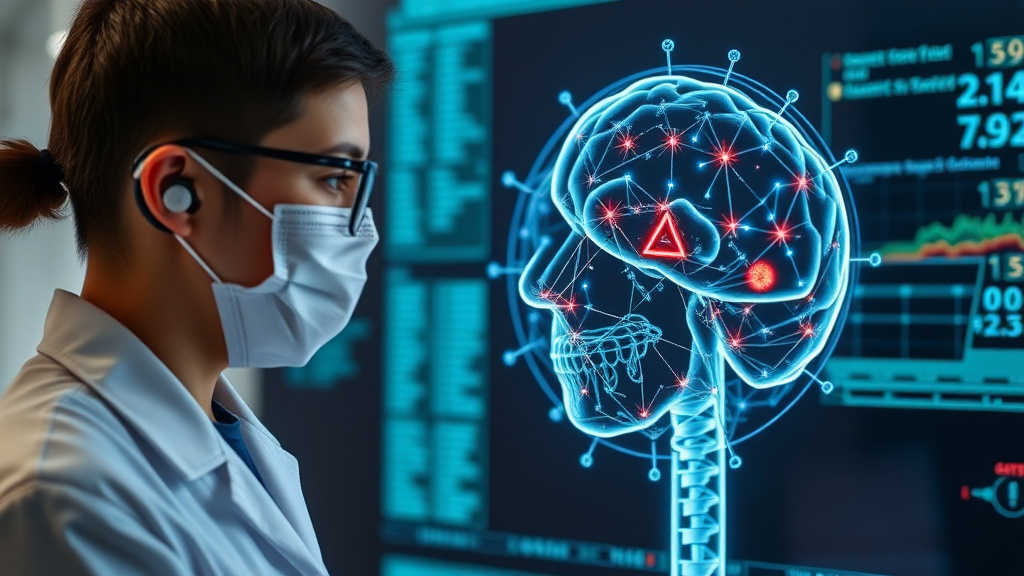
Artificial intelligence is transforming healthcare diagnostics, empowering physicians to identify diseases with exceptional accuracy and speed. Machine learning algorithms now analyze medical imaging, pathology reports, and patient data to recognize conditions like cancer, heart disease, and diabetes sooner than previously possible. This cutting-edge development promises to reduce diagnostic errors, speed up treatment decisions, and ultimately preserve countless lives. Learn how intelligent systems are revolutionizing clinical practice and transforming patient outcomes across the globe.
Machine Learning Enhances Diagnostic Precision
Machine learning algorithms have significantly transformed diagnostic accuracy by analyzing vast amounts of medical data with remarkable precision. These smart platforms detect nuanced variations beyond the human eye, enabling more timely identification and more reliable clinical assessments. By leveraging past patient records and imaging records, machine learning models steadily refine their predictive capabilities, achieving diagnostic accuracy rates that frequently exceed traditional methods. Healthcare institutions worldwide are adopting these technologies to optimize patient outcomes and expedite clinical workflows.
The adoption of artificial intelligence algorithms into diagnostic protocols has substantially decreased false positives and false negatives, essential elements in healthcare outcomes. These intelligent models deliver to clinicians evidence-based intelligence that support diagnostic confidence and clinical decision support. Practical applications in clinical settings show substantial gains in detection rates for serious conditions, from cancer detection at early stages to heart and vascular conditions. As these systems improve through additional clinical data, their accuracy keeps improving, setting new standards for diagnostic quality.
Deep Learning Approaches in Clinical Imaging
Advanced neural networks have fundamentally changed radiological image assessment by automatically extracting intricate patterns from radiological images with exceptional detail. Deep neural architectures excel at analyzing X-rays, CT scans, MRI images, and ultrasounds, detecting abnormalities that might escape human observation. These models handle diagnostic information substantially quicker than traditional analysis methods, enabling quick assessment in time-sensitive scenarios. Hospitals implementing deep learning-powered imaging systems report substantial improvements in diagnostic speed and accuracy across different diagnostic imaging methods.
Advanced deep learning frameworks now support radiologists in recognizing tumors, fractures, infections, and degenerative conditions with consistent reliability. These systems utilize extensive labeled datasets, continuously refining their ability to differentiate normal and pathological findings. Integration with current medical imaging infrastructure allows smooth operational enhancement without disrupting existing processes. The integration of human expertise and machine intelligence establishes a powerful diagnostic partnership that optimizes patient safety and treatment effectiveness.
Natural Language Processing for Clinical Documentation
Natural language processing technology extracts important clinical data from unstructured clinical notes, laboratory reports, and patient records that were formerly challenging to examine in a structured way. NLP algorithms interpret clinical narratives, identifying key clinical findings, clinical presentations, and pertinent medical background with impressive accuracy. This capability allows medical institutions to aggregate clinical insights across patient populations, facilitating population health studies and detecting clinical patterns. Automated clinical documentation analysis speeds up diagnostic decision-making and ensures critical information gets to relevant clinicians in a timely manner.
Natural language processing-enabled systems strengthen clinical decision support by integrating information from varied medical documents into actionable diagnostic insights. These technologies reduce administrative workload on healthcare professionals while boosting information availability and precision. By systematically identifying relevant historical findings and comparative analysis, NLP systems help clinicians reach better diagnostic decisions. The adaptive learning features of these systems mean they grow more advanced at understanding medical vocabulary and clinical settings.
Implementation Challenges and Solutions
Data Quality and Integration Problems
Healthcare organizations encounter significant hurdles in implementing AI diagnostic systems, primarily concerning data quality and interoperability. Medical records from various healthcare facilities often are stored in incompatible formats, making it difficult to aggregate comprehensive datasets for AI model training. Additionally, missing or variable patient data compromises algorithm accuracy. Healthcare providers are tackling these issues by creating uniform data standards, allocating resources to electronic health record modernization, and creating secure data-sharing networks that preserve confidentiality while enabling collaborative AI development among healthcare organizations.
Regulatory Standards and Clinical Validation
Navigating regulatory frameworks presents another significant obstacle for AI adoption in medical diagnostics. Governing agencies worldwide demand thorough clinical testing, transparent algorithmic processes, and verified proof of safety and efficacy before approval. Organizations must conduct large-scale trials showing that AI technologies operate effectively across different patient demographics. Strategies involve establishing clear regulatory pathways, deploying interpretable AI systems that healthcare providers can comprehend and rely on, and preserving thorough documentation logs. Collaboration between AI developers, healthcare organizations, and regulatory agencies speeds up the approval timeline while ensuring patient protection continues to be central.
Workforce Adaptation and Integration
Properly rolling out AI diagnostic tools requires major shifts in clinical workflows and staff development. Healthcare professionals require extensive instruction on understanding algorithm-based suggestions and understanding technical boundaries. Reluctance to adopt new methods and worries regarding job displacement can impede adoption rates. Organizations are deploying strategies through specialized training efforts, creating digital competency programs for medical staff, and positioning AI as a complementary tool that enhances rather than replaces human expertise. Involving clinicians in system design guarantees real-world application, builds confidence, and fosters collaborative technology-enabled medical teamwork.
Future Outlook and Clinical Integration
The integration of machine learning technology into clinical workflows marks a fundamental transformation in patient care delivery. As machine learning algorithms evolve, healthcare organizations are progressively implementing AI-driven diagnostic solutions to enhance decision-making processes. Next-generation systems will concentrate on creating seamless integration between AI technologies and existing electronic health records, allowing clinicians to retrieve actionable intelligence seamlessly. This alignment is poised to enhance workflow efficiency, reduce administrative burden, and enable healthcare professionals to dedicate more time to direct patient care and clinical analysis.
Looking ahead, the healthcare industry expects extensive uptake of AI diagnostics across various clinical disciplines and global healthcare systems. Emerging technologies such as distributed machine learning and localized computation will enable hospitals to leverage AI capabilities while protecting patient data and data protection. Investment in AI infrastructure and medical education initiatives will advance this shift. As regulatory frameworks mature and research emerges regarding AI effectiveness, healthcare organizations worldwide will steadily integrate these technologies as routine clinical instruments, substantially transforming how diseases are detected and treated.
Personalized Medicine Using Machine Learning Insights
Artificial intelligence enables the development of customized treatment methods by examining patient-specific genetic information, behavioral patterns, and health records. Machine learning algorithms can detect unique risk assessments and forecast best treatment results through comprehensive data analysis. This precision approach enables healthcare providers to customize treatments to each patient’s unique characteristics, enhancing treatment efficacy and reducing unwanted reactions. Personalized AI diagnostics constitute a paradigm shift from conventional uniform care toward customized health approaches that improve treatment results.
The convergence of genomics and AI produces significant potential for disease prevention. AI systems can recognize genetic predispositions to multiple conditions, enabling prompt treatment and lifestyle adjustments before symptoms develop. Analytical models help clinicians foresee condition advancement and refine care strategies ahead of time. As AI technologies evolve, tailored treatment will grow more accessible, expanding access to specialized treatment across different patient groups. This evolution is poised to fundamentally change health results and create new standards for preventive and therapeutic medicine.
Legal Framework and Ethical Standards
The rapid advancement of AI in healthcare diagnostics demands strong regulatory structures maintaining safety, efficacy, and accountability. Regulatory bodies globally are establishing guidelines for AI validation, clinical testing, and continuous monitoring of algorithmic performance. Clear algorithmic development and decision-making processes is essential for establishing physician and patient trust. Establishing transparent accountability structures and legal liability provisions protects patients while encouraging innovation. Standardized regulatory approaches across jurisdictions will facilitate worldwide adoption of AI technologies while maintaining uniform safety and quality standards.
Ethical considerations surrounding AI diagnostics require close scrutiny to bias, privacy, and equitable access. Machine learning algorithms developed using skewed data may reinforce healthcare disparities, necessitating diverse training data and thorough bias evaluation. Patient privacy safeguarding through data anonymization and secure storage stays essential. Ensuring fair availability to AI-powered diagnostics across socioeconomic groups prevents widening healthcare inequalities. Continuous ethical assessment, transparent communication with stakeholders, and collaborative policy creation will guide responsible AI integration in healthcare, guaranteeing these transformative technologies serve all patients equitably.
