
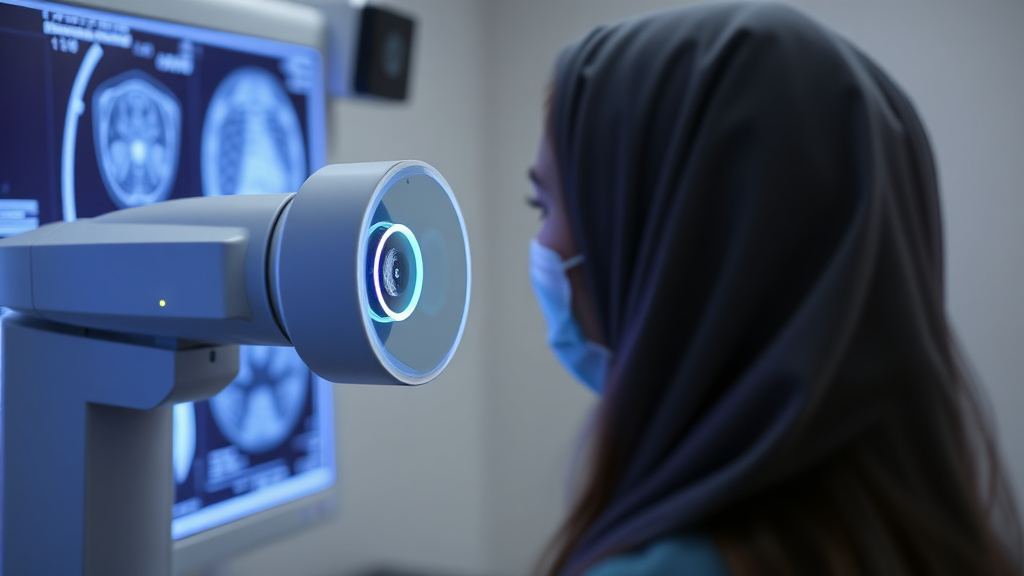
Catching cancer early improves survival rates. Current state-of-the-art cancer screening methods are reshaping how we identify tumors, catching them at times when treatment is highly effective. From blood tests that find cancer cells in blood to AI-powered imaging that detects microscopic irregularities, these innovative systems are transforming patient prognosis. This article examines the latest screening innovations, explains their mechanisms, and demonstrates why detecting cancer earlier than ever before is improving survival rates and offering patients hope.
Cutting-edge Diagnostic Imaging Systems in Oncology Screening
Modern imaging technologies have fundamentally changed cancer detection by enabling physicians to detect tumors at their earliest stages. Advanced approaches such as mammographic imaging, 3D tomosynthesis, and detailed ultrasound technology provide unprecedented clarity of internal structures. These innovations allow radiologists to detect subtle abnormalities that conventional techniques might miss, significantly improving diagnostic accuracy. The integration of superior image clarity and sophisticated analysis tools has significantly lowered false positives and negatives, resulting in more reliable screening outcomes and better patient care decisions.
The integration of these imaging techniques into comprehensive screening protocols has enhanced cancer identification across multiple organ systems. Positron emission tomography (PET) scans, magnetic resonance imaging (MRI), and computed tomography (CT) now function collaboratively to deliver three-dimensional visualization of tumors. These imaging tools enable clinicians to determine tumor dimensions, position, and features with exceptional accuracy. Early detection through state-of-the-art diagnostic imaging allows for intervention when clinical interventions are most successful, ultimately improving patient survival and quality of life for cancer patients worldwide.
Artificial Intelligence-Driven Assessment Instruments
Artificial intelligence has developed into a powerful tool in cancer screening, boosting the precision and speed of diagnostic imaging analysis. Machine learning algorithms built from millions of clinical scans can now identify abnormal signs and disease markers with performance equal to or better than that of seasoned imaging specialists. AI systems analyze scans quickly, identifying sections demanding closer examination and prioritizing cases for immediate physician review. This innovation reduces diagnostic delays, decreases mistakes, and allows medical professionals to concentrate their skills on difficult situations demanding expert assessment and customized care strategies.
The rollout of AI-powered detection tools within healthcare institutions has generated substantial improvements in cancer identification rates. These intelligent systems constantly evolve from additional cases, becoming steadily more reliable and adaptable to diverse patient populations and scanning procedures. AI algorithms can identify early-detected cancers that could be missed during standard screening, notably in complex cases involving dense tissue or unusual presentations. By supplementing radiologist expertise rather than replacing them, artificial intelligence establishes a cooperative structure that maximizes diagnostic precision while upholding the essential human element of healthcare delivery.
- AI systems recognize breast cancer with 94% accuracy rates
- Machine learning locates lung nodules in CT scans effectively
- Algorithms reduce radiologist workload by 30% daily
- Neural networks improve colorectal polyp detection considerably
- AI determines prostate cancer progression with precision
Fluid-based Biopsy and Genetic Testing Advances
Liquid biopsy represents a major breakthrough in cancer detection, providing a non-invasive method to identify malignant cells through routine blood samples. This cutting-edge method examines tumor DNA in circulation, proteins, and exosomes in the bloodstream, enabling physicians to identify malignancies before symptoms manifest. The technology shows exceptional precision, detecting cancer markers at concentrations as low as one cancer cell among millions of healthy cells, transforming early detection capabilities.
Molecular diagnostic innovations have dramatically improved diagnostic accuracy and clinical results across multiple cancer types. These sophisticated techniques identify distinct genetic variants and biomarkers associated with different cancers, allowing medical professionals to customize therapy approaches to each patient’s unique characteristics. By integrating various diagnostic techniques, clinicians can now identify tumors months earlier traditional screening approaches, offering vital timeframes for action when outcomes are most promising.
Serum Biomarker Detection Methods
Blood-based biomarker detection leverages advanced diagnostic technology to identify cancer-associated molecules circulating in the bloodstream. These biomarkers include circulating tumor DNA, proteins like PSA and CEA, and cell-free vesicles carrying tumor-derived content. The accuracy of these testing approaches enables clinicians to monitor disease progression, evaluate therapeutic outcomes, and identify recurrence risks with remarkable precision, reshaping how cancer is managed.
Contemporary biomarker panels simultaneously analyze various malignancy signals, substantially improving diagnostic sensitivity and specificity. This thorough methodology reduces false positives while enhancing accurate positive identification throughout different patient demographics. Integration of artificial intelligence algorithms continues to improve biomarker interpretation, facilitating individualized risk categorization and care guidance derived from unique genetic makeup and molecular signatures.
- Circulating tumor DNA fragments reveal genetic mutations in blood samples
- Protein biomarkers detect tumor-specific antigens and tumor-associated molecules
- Extracellular vesicles carry tumor information for comprehensive analysis
- Multi-panel testing concurrently evaluates for multiple cancer types and markers
- AI algorithms enhance biomarker analysis and clinical decision-making accuracy
Clinical Significance and Future Perspectives
Enhancing Patient Outcomes
The clinical importance of advanced cancer screening methods is already apparent in patient survival rates and quality of life improvements. Early detection through these advanced techniques enables physicians to use less invasive treatment protocols, minimizing side effects and improving long-term outcomes. Healthcare systems worldwide are experiencing decreased cancer mortality rates as screening programs grow, particularly in developed nations. The economic benefits are substantial, as treating early-stage cancers costs far less than managing advanced disease. Moreover, patients identified via advanced screening show higher treatment compliance and psychological well-being, knowing their cancers were detected at optimal intervention points.
Next-Generation Innovations and Scaling
The future of cancer screening offers even more significant breakthroughs as artificial intelligence and machine learning continue advancing. Researchers are creating customized screening approaches based on personal genetic data and risk characteristics, optimizing detection rates while reducing unneeded tests. Integration of various screening methods—merging liquid biopsies, imaging, and biomarker analysis—will create thorough diagnostic frameworks. Accessibility remains crucial; expanding these technologies to underserved populations globally will democratize early detection. Funding for research infrastructure and healthcare training will accelerate innovation, potentially enabling real-time cancer detection before symptoms emerge, essentially changing cancer from a terminal diagnosis into a manageable condition.
